The AI Badge Test: Seven Questions to Ask Before You Believe the Box

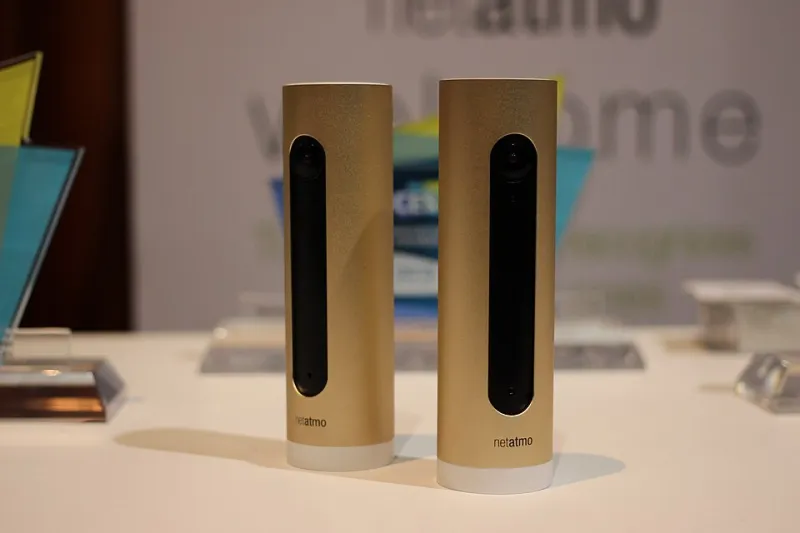
Photo: Threeohsix, CC BY-SA 4.0, via Wikimedia Commons
Walk into any Currys, Argos or John Lewis tech floor this month and you'll notice the same word appearing on everything. Washing machines. Earbuds. Doorbells. Even the humble desk lamp has started claiming some form of intelligence. Somewhere between the marketing team and the packaging printer, "AI" has become the new "HD-ready" — a badge you slap on a box because it shifts units, not because it describes anything you'd notice from the sofa.
That's not to say the genuinely clever stuff doesn't exist. It does, and when it works it's quietly brilliant. The trick is telling the two apart before you hand over £249, and it takes about five minutes of shelf-side detective work. Here's the routine.
Start with the claim, then look for the verb
Vague labels hide behind adjectives. Useful ones describe an action. "AI-powered" tells you nothing. "Detects when the drum is half full and shortens the cycle" tells you plenty.
So read the box and ask: what does this thing actually do differently? If the answer is a sentence you could write about any product in the aisle, put it down. If the answer describes a specific decision the device makes on your behalf — adjusting, recalculating, skipping, prioritising — you're onto something. The verb is the giveaway. Nouns are marketing. Verbs are engineering.
Question two: where is the thinking happening?
This matters more in the UK than most shoppers realise, because it decides your privacy exposure and your broadband bill.
On-device processing means the gadget does its thinking locally. A robot vacuum building a map of your downstairs, or a security camera flagging a person rather than a fox at 3am, can do that without shipping video to a server. Cloud processing means your data gets a round trip, and you're relying on someone else's promises about what happens at the other end.
Neither is automatically bad. Cloud can be genuinely better for heavy lifting. But you deserve to know which one you're buying into. Look for the words "on-device", "local processing" or a clear explanation in the privacy notice. If the box is silent, assume cloud until proven otherwise — and read the privacy notice before you connect it to your home Wi-Fi. Under UK GDPR you have rights over that data, and the Information Commissioner's Office has been clear that "we use AI" is not a substitute for telling people what you're doing with their information.
Question three: what happens in eighteen months?
A gadget that learns is only as good as its last software update. Ask the retailer — or check the manufacturer's support page on your phone while you're standing there — how long the product gets security patches and feature updates.
Some brands publish a support window. Plenty don't, which is your answer. A smart thermostat with three years of updates is a different proposition from one with eight. This is the single most overlooked question in UK tech retail, and it's the one that decides whether your clever purchase is still clever in 2029.
Question four: is the intelligence behind a paywall?
This is where things get spendy. A growing number of products ship with a serviceable free tier and a subscription that unlocks the features the marketing led you to expect. Camera brands are repeat offenders — person detection here, longer history there, a monthly fee for the privilege.
Work out the three-year cost, not the sticker price. £8 a month sounds trivial until you've done the arithmetic and realised you've bought the gadget twice. There's nothing wrong with subscriptions as a model, but you should be deciding to buy one, not discovering one.
Question five: can you switch it off?
Good AI is optional. Great AI is optional and the product still works without it. If disabling the clever features turns your £300 appliance into a dumb box with fewer buttons, you haven't bought a smart product — you've bought a subscription with a plug.
Check for a plain off switch, and check whether the core function survives it. A washing machine should still wash. Headphones should still play music. If the manual only explains the app, that's a red flag shaped like a QR code.
Question six: what's actually being recorded?
Microphones and cameras in the home deserve a straight answer. Look for a physical mute, a clear indicator light, and a privacy notice that names what's stored and for how long. If the answer involves the phrase "to improve our services" and nothing else, keep walking.
Question seven: would you notice if it were removed?
The last test is the honest one. Strip the AI branding off the box and ask whether the remaining features justify the price against a non-smart alternative.
Genuinely useful intelligence tends to be invisible. Adaptive noise cancelling that actually reads the carriage on your morning commute. A heat pump dryer that weighs the load and stops when the washing is dry rather than when the timer says so. A vacuum that remembers your kitchen layout and doesn't need rescuing from under the sofa every Tuesday. None of that needs a badge. It just works, and you'd miss it if it went.
The five-minute checklist
If you remember nothing else, remember this. One: find the verb, not the adjective. Two: ask where the processing happens. Three: check the support window. Four: calculate the three-year cost including subscriptions. Five: confirm there's an off switch that leaves a working product. Six: read what gets recorded. Seven: compare against the non-smart alternative on the same shelf.
Fail three or more, and the intelligence is on the packaging rather than in the product. Pass, and you've probably found something worth the money.
One last thing. If a claim sounds ambitious, ask the staff member to demonstrate it. In a shop, on the spot, with the product in front of you. A genuinely smart gadget will show you what it does in about thirty seconds. A sticker will need to check with head office. That silence is worth more than any badge on the box.