The Lock You Don't Own: Smart Entry in a Rented UK Home
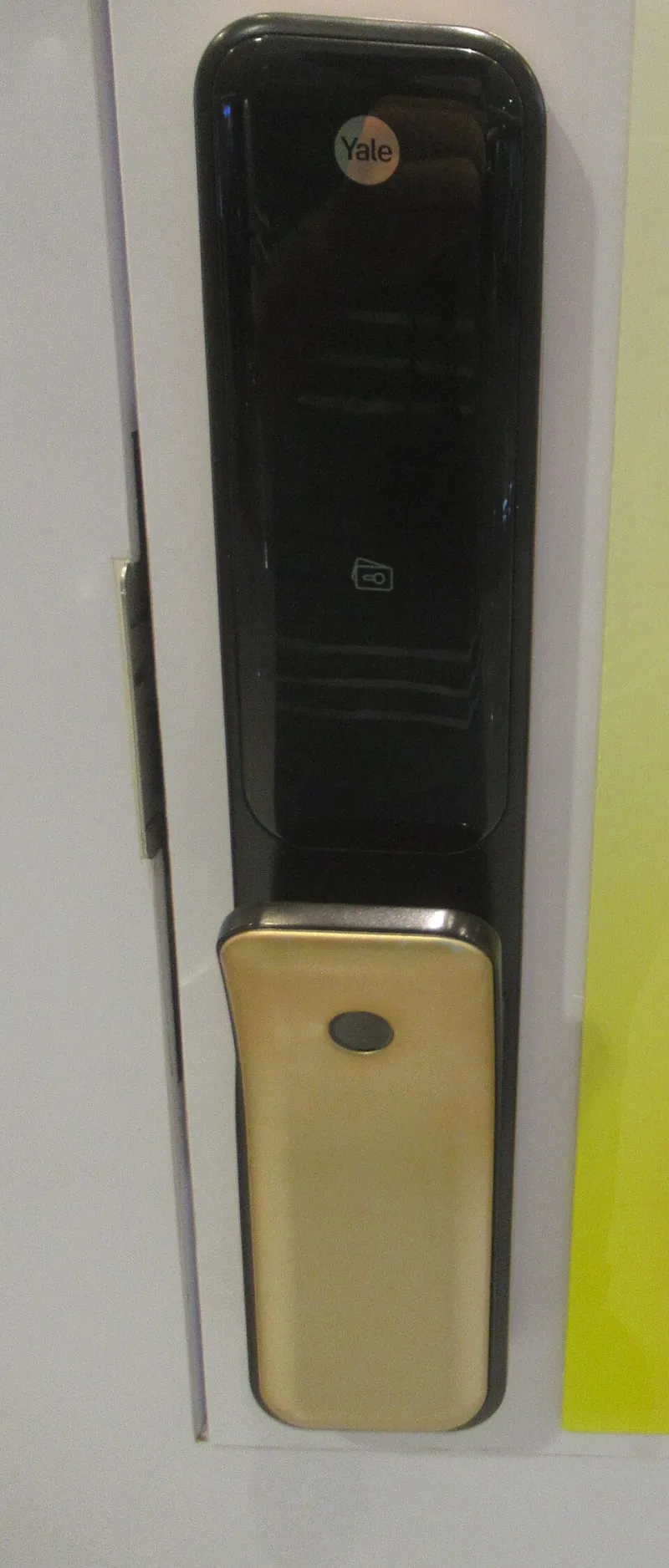
Photo: Unknown, CC BY-SA 4.0, via Wikimedia Commons
You've seen the videos. A thumb on a keypad, a little chime, and the door swings open while the person filming juggles three bags of shopping. It looks tidy. It looks like the future. And if you rent your flat, it also looks like a conversation you haven't had with your letting agent yet.
Smart locks have quietly moved from novelty to normal in the UK. They're on the shelves at DIY chains, in the Amazon deals carousel and, increasingly, fitted as standard in new-build rentals. But the sales pitch is written for homeowners. Renters get the same box with a set of questions the box doesn't answer — chiefly, who actually controls access to a door that isn't yours.
First, the boring question: whose door is it?
It's the landlord's. That's the starting point, and no amount of app polish changes it. Your tenancy agreement almost certainly includes a clause about not making alterations without written permission, and a lock is a fixture, not a picture hook. Swapping a cylinder is a small job; drilling a new mortice into a period front door is not, and the difference matters when a deposit is being argued over in eleven months' time.
The practical middle ground most renters land on is a lock that replaces the existing cylinder or the existing night latch, keeping the original hardware in a shoebox under the bed. That way the flat can be returned to exactly how it was found, which is also the version of events your inventory and check-in photos describe.
Get the permission in writing. An email is fine — a WhatsApp from the agent saying "should be alright" is not, because that person may have moved on by the time anyone checks.
Do not touch a fire door
If you live in a block of flats, there's a decent chance your front door is a fire door. Those are certified as a complete assembly — frame, seals, hinges, hardware — and drilling or swapping components can void that certification. It can also put you on the wrong side of the building's fire risk assessment and its insurance.
This isn't a technicality to wave away. If the door has a self-closer, intumescent strips or a certificate plate on the hinge side, leave it alone and look for a different way to solve whatever problem you're trying to solve. A key safe, a smart doorbell or simply a better hiding place for the spare might do the job.
Can you get out without a phone?
Before anything else, check the escape route. Every smart lock worth fitting lets you open the door from the inside with a thumb-turn, a lever or a handle — no key, no app, no battery. If the only way out is a phone that's charging in the kitchen, put the box back on the shelf.
Then think about the other direction. What happens when the battery dies at 11pm, the hub loses power, or the app decides to update itself during a software wobble? The answer should be a physical key that works regardless. Every decent model includes one. Keep it somewhere that isn't inside the flat.
Who is the admin — and does it matter?
This is the question that separates a good install from a bad one, and it's the one buyers ask least often.
Whoever holds the master account holds the door. If that's you, on your email address, with your phone as the primary device, then you control who comes and goes. If your landlord or letting agent insists the lock lives on their account and you're added as a user, then you're a guest in your own hallway. They can revoke you. They can see the access log. They can, in theory, let themselves in — and the log will tell them when you were home.
Neither arrangement is automatically wrong, but you should know which one you're getting before the drill comes out. Ask directly:
- Whose email address is the account tied to?
- Who can add and remove users?
- Can I see the access history, and can anyone else?
- What happens to my access if the tenancy ends or the agent changes?
Access logs are the underrated part of this. A lock that records every entry is a nice security feature and a slightly uncomfortable piece of surveillance if the record sits with someone who isn't you.
Digital keys and the awkward revocation
The genuine selling point for renters isn't keyless entry — it's temporary access. A code for the cleaner that expires at 4pm. A digital key for a dog walker that works Mondays and Thursdays. A one-off link for a plumber while you're at work. No spare key under the bin, no faffing with a lockbox on the railing.
Before you buy, test how removal actually behaves. Some apps delete a user and the key lingers in the lock's memory until the next sync. Some let you revoke instantly but keep the entry in the log forever. Neither is a dealbreaker, but you want to know which you've got — particularly if a relationship ends and someone still has a working key on their phone.
The standards on the box, and the insurer on the phone
The lock your contents insurer imagines is a mechanical one. Many policies require a five-lever mortice lock meeting BS 3621, or a cylinder rated to TS 007 three-star, and it's worth checking your schedule before assuming a smart lock counts as equivalent. Some will accept a certified smart lock with a tested cylinder; others won't have heard of it.
Ring your insurer and tell them what you're fitting. It takes ten minutes and it stops a claim being picked apart later because the door wasn't "secured as specified". While you're at it, mention it to the landlord's letting agent too — buildings insurance is usually the landlord's problem, but the more people who know, the fewer surprises.
What happens when the tenancy ends
The exit is where most of these installs go wrong. Work through it properly:
- Remove every digital key and guest code, then do a full factory reset on the device.
- Refit the original cylinder or latch and check it works with the original keys.
- Hand back all physical keys, including any spares you had cut.
- Photograph the door, inside and out, and email the photos to yourself and the agent.
- Get written confirmation that the door has been returned to its original state.
That last one is the bit that protects your deposit. Deposit disputes are decided on evidence, not memory, and a dated email with photos is evidence.
The short version
Smart locks are genuinely useful in rented homes — more useful, arguably, than in owned ones, because renters are the people constantly handing out temporary access to cleaners, carers, delivery drivers and contractors. But the door isn't yours, the lock becomes part of the property the moment it's screwed on, and the person holding the master account holds the keys in every sense that matters.
Ask who the admin is. Ask it before you buy. Get the answer in an email, keep the original hardware in a box, and don't go anywhere near a fire door with a screwdriver.
Do that, and the chime-and-thumb-turn moment is exactly as good as the video. Skip it, and you've spent £180 to make your landlord's key ring slightly more interesting.