Wheels on the Pavement: The Real Scorecard for UK Delivery Robots
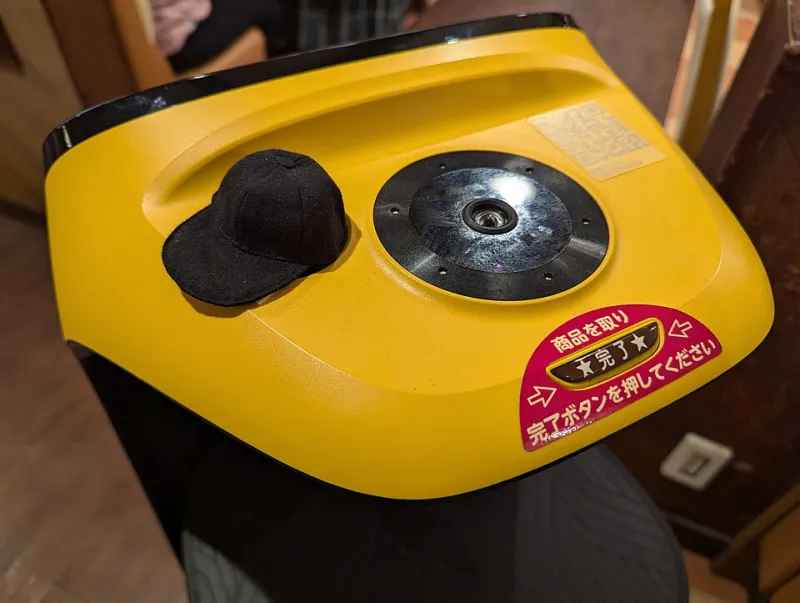
Photo: Syced, CC0, via Wikimedia Commons
As of November 2026, the delivery robot is no longer a festival stunt. In parts of Milton Keynes, Northampton and Cambourne, small six-wheeled machines are a familiar sight, trundling along cycle paths with someone's Co-op shop inside. They still look like cool boxes with anxiety. But the question is no longer whether the technology works. It mostly does. The real question is whether it works for you, at a price you will pay, on the pavements you actually use.
Who is actually on the pavement?
Starship Technologies is the name you will see most. The company has been running in Milton Keynes since 2018, which in UK tech years makes it practically Victorian. Its robots are geofenced, supervised by remote humans and usually paired with a grocery partner rather than a single takeaway. Co-op is the most visible name on the side of the fleet, and the pitch is simple: order a small shop, watch a robot roll up, unlock the lid with your phone.
Other entrants are smaller and more patchy. Some focus on campuses, business parks and controlled environments where pavements are wide and the public is not going to kick a robot for a laugh. Amazon Scout was retired back in 2022, a useful reminder that a big logo does not guarantee a pavement empire. The UK race is less a sprint than a series of local trials with council permission, insurance paperwork and a lot of route mapping.
The costs behind the cute exterior
A delivery robot is not a cheap employee. The hardware costs thousands, the fleet needs charging and maintenance, and every robot still has a human somewhere watching a screen. Add insurance, mapping, storage and the staff who rescue a stuck machine at 7pm on a wet Tuesday, and the economics get real fast.
For you, that usually means a delivery fee in the region of £1 to £3, a minimum spend, or a subscription pass in some zones. That can be decent value for a small grocery order when the alternative is putting on shoes. It is less compelling when you are paying a premium for a lukewarm burger. Robot delivery works best when one robot can do several drops in a dense area. In a spread-out suburb, a bike courier is still cheaper and faster.
Hiccups: rain, kerbs and paperwork
The failure modes are rarely dramatic. A robot stops at a kerb it does not like. A puddle confuses it. A wheel gets wedged. Someone in a call centre nudges it remotely and you wait. That is fine until it happens on a Friday night when your chips are going soft.
Then there is the pavement question. Robots share space with wheelchairs, prams, guide dogs, e-scooters and people who simply do not want a cooler on wheels blocking the way. Councils know this. Accessibility groups know this. The best operators are careful about route width and speed, but the UK's streets are not a test track. Vandalism and theft are rare but not zero, and every incident becomes a local Facebook thread.
The Friday takeaway test
If you live in a live zone, robot delivery is genuinely useful for the boring stuff: a late-night milk run, a small grocery top-up, a pharmacy order. For a takeaway, manage your expectations. The food sits in a locked compartment, which is secure but not a hot plate. Chips steam themselves into a soft heap. A moped rider with a thermal bag still wins on texture.
The smarter way to judge it is total cost. Add the delivery fee, the minimum spend and your time. If the robot saves you a ten-minute walk and the fee is under two quid, it is a fair trade. If you are paying more than a human courier for a slower drop, you are buying the novelty.
Verdict: niche, not normal
For most UK households in 2026, robot delivery is a niche convenience, not the new normal. It is normal in a few postcodes and a novelty everywhere else. The race will not be won by the flashiest robot or the best press photo. It will be won by the operator that gets council permits, dense routes, reliable batteries and boring customer service right.
So try it once if your street is served. Compare the total cost. Do not cancel your local curry house's own driver just yet. The pavement is still shared, and the robot is still learning.